




Many entrepreneurs with past loan defaults often feel like they are locked out of financial opportunities. A survey highlights how tight small business credit markets have left many firms struggling to access capital, even when demand is strong. However, new changes to SBA loan after default 2025 rules are giving these business owners a much‑needed second chance at funding.
This blog discusses how these changes open up new possibilities. Understanding these shifts could mean the difference between being stuck in financial limbo and getting the funding you need to grow your business.
What We Commonly See
Many business owners assume that a past loan default automatically prevents them from qualifying for SBA financing.
In reality, lenders typically evaluate the full picture, including:
- Current business performance
- Cash flow
- Revenue trends
- Existing debt obligations
- Credit history since the default
- Tax compliance
- Overall repayment ability
A past default can create challenges, but it does not always mean financing is impossible.
What Is Changing with SBA Loans After Default?
The recent SBA loan after default 2025 rule changes bring hope to entrepreneurs who have struggled to secure SBA funding due to previous defaults. These updates offer new avenues for approval, especially with the SOP 50 10 8 changes 2025, allowing more flexibility and clarity in the approval process.
Here’s how it impacts business owners:
- SOP 50 10 8 Changes: The updated SOP 50 10 8 guidelines give more consideration to business recovery, allowing entrepreneurs who previously defaulted on loans a chance to apply.
- Federal Debt Delinquency Rules: The new rules provide leniency for those with federal debt delinquency, meaning many entrepreneurs who were once disqualified now have a path to qualify for SBA loans after default.
Entrepreneurs who have defaulted in the past but have shown improvement in their financials and credit are now able to apply for funding again.
What Is The Importance of the SBA Eligibility Past Default Criteria?
For many business owners, defaulting on loans meant being blacklisted from SBA loans. However, recent changes to SBA eligibility past default offer a lifeline. Here’s how the new criteria impact your chances of securing funding:
- Previous Restrictions vs. New Eligibility: In the past, entrepreneurs with defaults faced major hurdles in qualifying for SBA loans after default. The new changes open the door to more entrepreneurs who had defaulted years ago.
- Credit History Considerations: While a history of defaults may still impact eligibility, the SBA now considers the full picture, including any efforts to rehabilitate credit or improve financial standing.
- The Updated Application Process: The updated process allows for clearer guidelines on how to approach an SBA loan application after default. For business owners with improved financials, this is an opportunity to secure the capital they need.
Real-World Observation
A business owner we reviewed had previously experienced financial difficulties that resulted in a loan default.
Several years later, the business had returned to profitability, improved its cash flow, and maintained stronger financial controls.
While the previous default remained part of the underwriting discussion, the lender focused heavily on current repayment capacity, debt obligations, and overall business stability.
The prior default was a factor.
It was not the only factor.
(Details modified for privacy.)
How the SOP 50 10 8 Changes in 2025 Open New Doors
The SOP 50 10 8 changes 2025 have revolutionized the way SBA loans after default are processed. These updates significantly impact how lenders evaluate applications and what they prioritize in approval decisions. Here’s what business owners need to know:
-
Changes in Evaluation Criteria
The updated SOP 50 10 8 guidelines emphasize recovery, allowing more businesses with past defaults to access capital. This shift in focus highlights a move toward providing financial second chances to qualified business owners.
-
Impact of SBSS Score 165
The SBSS score 165 has become a key component of the approval process. This score is now integral to whether an entrepreneur qualifies for funding after past defaults, creating an opportunity for businesses to rebuild their creditworthiness.
-
The Role of Credit Elsewhere Tests
The credit elsewhere tests have become more flexible under the new guidelines, enabling businesses that previously failed to meet these tests to qualify. This change ensures that businesses with a demonstrated ability to repay are not unfairly denied.
Example Scenario:
A business owner with a history of defaults but a SBSS score 165 and strong post-default performance might find that the SOP 50 10 8 changes 2025 allow them to successfully navigate the application process.
Understanding the Role of the SBSS Score 165
Credit Scores Still Matter
Many SBA lenders evaluate both personal and business credit during the underwriting process.
Depending on the lender and program, minimum score requirements often range from the mid-600s and above. Stronger scores can improve approval odds, but lenders also review:
- Revenue
- Profitability
- Cash flow
- Debt service coverage
- Existing obligations
A strong score alone rarely guarantees approval.
- Impact on Eligibility: A SBSS score of 165 can greatly increase the likelihood of qualifying for an SBA loan. If you meet this threshold, lenders see you as a less risky borrower, even with a past default.
- How It Compares to Other Scores: Compared to other credit models like FICO and VantageScore, the SBSS score has a broader scope and gives lenders a clearer picture of your financial reliability. It’s particularly useful for those with past defaults who are looking to rebuild their business credit.
Navigating Credit Elsewhere Tests for SBA Loans
The credit elsewhere tests have been a barrier for many entrepreneurs with past defaults. Under the new SBA loan after default 2025 rules, these tests have become more flexible, offering more opportunities for businesses previously shut out of SBA funding. Here’s what you need to know:
Credit elsewhere tests evaluate whether an applicant has access to other financing sources. If a business can get credit elsewhere, it’s often a disqualifier for SBA loans. However, the new guidelines relax these tests, making it easier for businesses to qualify.
- Impact of Recent Changes: The SBA loan after default 2025 changes now allow businesses with strong recovery and improved financials to pass the credit elsewhere tests even if they can’t access conventional credit.
- Furnishers Dispute Context: This is particularly relevant for businesses that have struggled with furnishers dispute issues, as the new rules ensure they are not unfairly disqualified due to outdated or incorrect reporting.
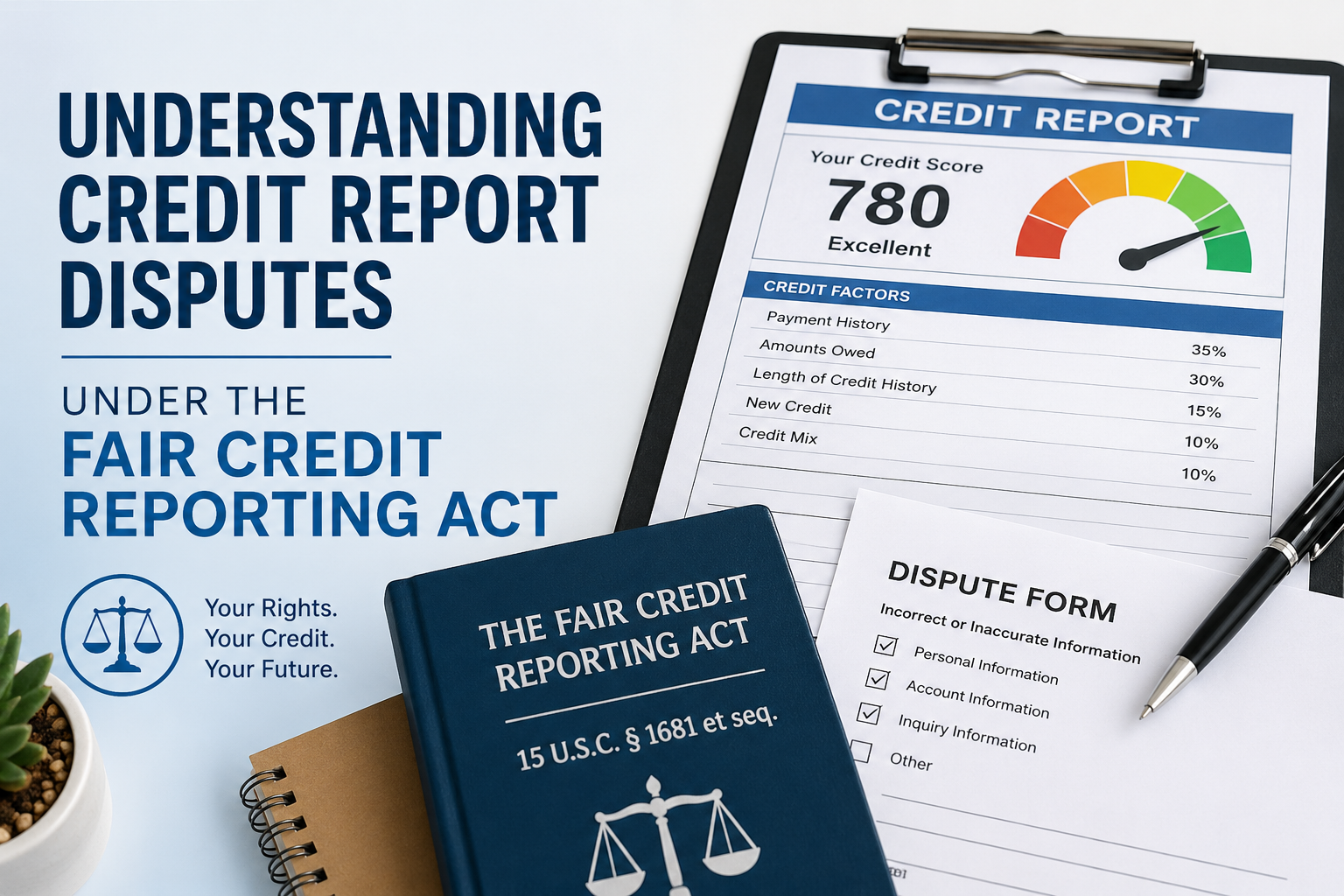
Practical Tip: Entrepreneurs should regularly check their business credit reports to ensure all information is accurate before applying.
Federal Debt Delinquency Rules and SBA Loans After Default
The changes to federal debt delinquency rules are a game-changer for entrepreneurs who have faced issues with government debt in the past. Previously, such debts would automatically disqualify business owners from SBA loans after default. Now, there is more flexibility in how these debts are treated:
- Overview of Federal Debt Delinquency Changes: The updated rules provide an opportunity for businesses that have been affected by federal debt delinquency to qualify for SBA loans once they meet certain conditions. A report found that many small business owners are restricted from accessing loans due to previous debt issues, which highlights the importance of these rule changes
- OIC/Compromise Strategy: The OIC/compromise strategy is now more accessible. This process allows business owners to resolve past debt issues with the government, which can positively impact their eligibility for SBA funding.
This change opens up funding options for entrepreneurs who were previously stuck, helping them build a path to recovery and growth.
What SBA Lenders Actually Review
When evaluating a business with prior credit challenges, lenders commonly review:
- Business cash flow
- Debt Service Coverage Ratio (DSCR)
- Existing loan obligations
- Tax filing history
- Business and personal credit
- Revenue stability
- Industry risk
- Time in business
Businesses that demonstrate stable operations and repayment capacity are often viewed more favorably than businesses with strong credit but weak cash flow.
What SBA Loan After Default 2025 Rule Mean for Entrepreneurs?
The SBA loan after default 2025 rule changes represent a significant opportunity for entrepreneurs who have previously been locked out of funding due to past defaults. These changes provide more flexibility and fairness, especially for businesses that have made efforts to recover. Here’s why this is a big deal:
-
Building Momentum After Default
The new rules provide business owners with a chance to rebuild their businesses, offering a fresh start that was not possible under previous regulations. Entrepreneurs who have demonstrated financial responsibility since their defaults now have a clear path to SBA funding.
-
Impact on Entrepreneurial Growth
This shift encourages innovation and growth within communities that were previously underfunded. By giving more entrepreneurs access to capital, the new rules contribute to job creation and economic growth.
-
Long-Term Benefits
The broader impact of these changes extends beyond individual businesses. As more entrepreneurs gain access to SBA funding, the overall business landscape becomes more diverse, fostering an environment where innovation thrives.
Typical SBA Qualification Benchmarks
While requirements vary by lender, many SBA programs look for:
- At least 2 years in business
- Annual revenue of approximately $250,000 or more
- Personal FICO often 640-660+
- No recent bankruptcies or foreclosures
- Current tax compliance
- Positive cash flow and acceptable DSCR
These are lender benchmarks, not guarantees of approval.
What You Need to Know Before Applying for an SBA Loan After Default
If you are thinking about applying for an SBA loan after default, it is important to understand the requirements and the process involved. Here’s what you’ll need to know:
-
Application Requirement
When applying for an SBA loan after default, you will need to provide documentation that proves your eligibility, including proof of recovery, a solid business plan, and updated financials. Your SBSS score will also play a key role in the approval process.
-
SBA Loan Application Checklist
The checklist includes verifying your SBA eligibility past default, submitting necessary business documents, and ensuring your financial records are up to date.
-
What Lenders Will Assess
Lenders will evaluate your credit history, your current business financials, and your ability to repay the loan. Be prepared to demonstrate that your business is on solid footing and that you can handle the responsibility of new funding.
How to Improve Your SBA Loan Eligibility Post-Default
Here are actionable steps you can take to improve your eligibility for an SBA loan after default:
- Focus on Credit Rebuilding: Regularly check your credit report and dispute any errors. Consider working with a financial advisor to rebuild your credit history.
- Improve Your Financial Health: Focus on increasing revenue, reducing expenses, and keeping your business’s financials in order. This will make your loan application stronger.
- Long-Term Strategy: Develop a long-term plan to improve your creditworthiness. Consistently making improvements to your financial health will help ensure your eligibility for future funding.
Conclusion
The Biggest Lesson
A prior default does not automatically determine the outcome of a future SBA application.
What lenders often care about most is what happened after the setback:
- Did the business recover?
- Is cash flow stable?
- Are taxes current?
- Can the business comfortably support new debt?
The stronger the answers to those questions, the stronger the application tends to be.