





If you are just starting out in business, you have probably come across the terms business credit and personal credit. You must be wondering how they differ. Right? While both are essential to your financial health, understanding how they differ is critical for anyone looking to scale their business without risking their personal finances. Business credit helps you secure loans and vendor terms in your company’s name, protecting your assets, while personal credit is tied to your own financial history. Knowing the difference between business credit vs personal credit and how each one affects your financial opportunities will empower you to make smarter business decisions and secure better funding.
What is Personal Credit?

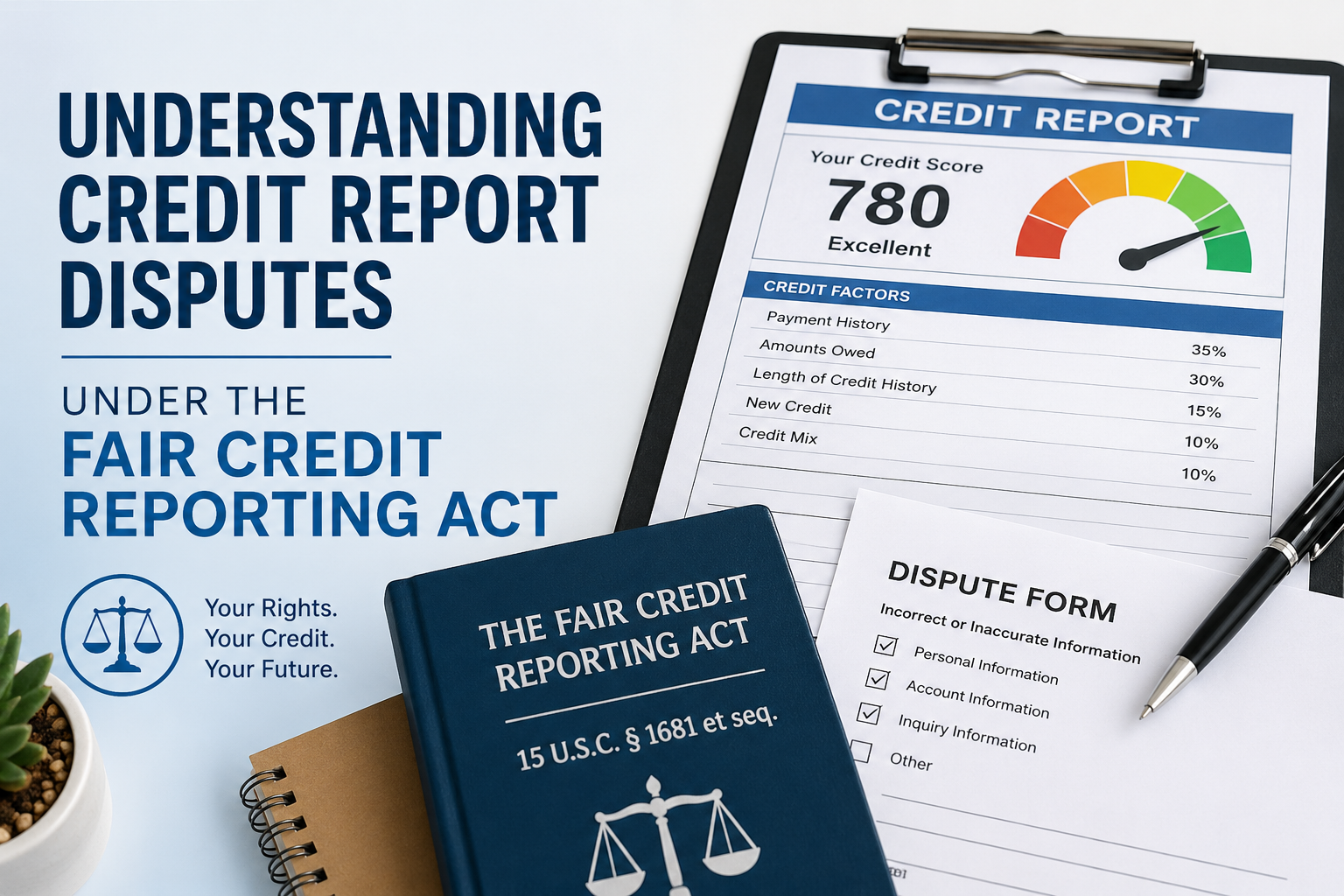
Personal credit is a financial score that reflects your individual ability to manage debt and make payments on time. It’s based on your financial history and how responsibly you handle borrowing. Your personal credit score is calculated by credit bureaus based on factors such as:
- Credit history: The length of time you’ve been borrowing and repaying.
- Debt-to-income ratio: How much debt you have in comparison to your income.
- Payment history: Whether you consistently pay your bills on time.
For individuals, lenders use personal credit to assess risk when you apply for personal loans, credit cards, mortgages, and other forms of financing.
What is Business Credit?
Business credit is a financial profile specifically for your business, evaluating its ability to manage financial obligations separate from your personal finances. Unlike personal credit, which looks at an individual’s economic history, business credit is based on your company’s financial behavior. This includes paying bills on time, maintaining credit lines, and handling debts responsibly.
Agencies like Dun & Bradstreet and Equifax determine the business credit score. It’s influenced by:
- Payment history: Timely payments to vendors and lenders.
- Credit utilization: The amount of credit being used relative to available credit.
- Business longevity: How long the business has been operating.
Business credit is crucial for securing business loans, vendor credit accounts, and favorable payment terms with suppliers.
The Key Differences Between Business Credit and Personal Credit
When you think about managing finances, business credit vs personal credit is more than just a comparison of two numbers. It’s a distinction that can make or break your financial future. Here’s a deeper dive into how these two types of credit work, and why understanding the difference is crucial:
Separation of Finances
The most powerful benefit of business credit is its ability to create a clear line between your personal finances and your business. It means that your personal assets, your home, savings, and retirement funds, remain protected, even if your business hits a financial snag. By using business credit, you’re building a financial wall that safeguards your personal wealth, freeing you from the personal risk that often accompanies business ownership.
Reporting and Tracking
While personal credit is tracked by consumer bureaus like Equifax and TransUnion, business credit is monitored by specialized business credit bureaus like Dun & Bradstreet and Experian. This means that your business credit and personal credit are entirely separate, your business’s financial behavior doesn’t affect your personal credit, and vice versa.
Credit Limit and Interest Rates
Business credit often offers higher credit limits and lower interest rates compared to personal credit. Lenders are more likely to offer businesses better terms because they are viewed as a lower risk when they have strong, separate credit profiles. It brings out more funding, lower borrowing costs, and the ability to grow your business with ease.
Impact on Your Personal Finances
While business credit doesn’t affect your personal credit score, personal credit can impact your business’s ability to secure financing, especially if personal guarantees are required for loans or lines of credit.
Here’s a quick comparison between business credit vs personal credit:
| Feature | Business Credit | Personal Credit |
| Purpose | Used for business-related financing and transactions | Used for personal loans, mortgages, and credit cards |
| Tracking Bureau | Dun & Bradstreet, Equifax, Experian (business bureaus) | Equifax, TransUnion, Experian (consumer bureaus) |
| Impact on Personal Finances | Protects personal assets; does not affect personal credit | Impacts personal finances directly, including assets and loans |
| Credit Limits | Typically higher limits, lower interest rates | Limited by personal income and creditworthiness |
| Eligibility Requirements | Based on business’s financial history and credit profile | Based on individual financial history and behavior |
| Risk | Separate from personal finances; less personal risk | Personal assets are at risk if credit goes unpaid |
How Business Credit Works?
Building business credit is a step-by-step process that plays a vital role in securing funding and supporting business growth. Here’s how business credit works:
Building Business Credit
Start by opening vendor credit accounts with companies that report to credit bureaus. By making timely payments and keeping these accounts active, you’ll gradually build your business credit profile. Obtaining a DUNS number from Dun & Bradstreet is essential for tracking your credit activity and establishing credibility.
Business Credit Score
A strong business credit score reflects your ability to manage debt and pay on time. A strong score helps you secure better terms on loans, lines of credit, and vendor agreements, giving your business access to more resources for growth.
Role of Vendors
Vendor credit accounts are an important starting point. These accounts report to credit bureaus, and timely payments help build a solid business credit history.
If you prefer building credit without tying in personal information, you can follow our EIN-Only Credit Guide for step-by-step guidance.
The Business Credit Score Explained
A business credit score functions similarly to a personal credit score, but it specifically reflects how your business handles its finances. Business credit scores are used by lenders, suppliers, and other businesses to assess your creditworthiness and determine the terms of your business’s financing.
Several factors influence your business credit score, including:
- Payment History: Timely payments to vendors and lenders positively affect your score.
- Credit Utilization: Using a high percentage of your available credit can lower your score.
- Length of Credit History: The longer your business has been using credit responsibly, the better.
- Public Records: Bankruptcies, liens, or judgments can significantly harm your score.
Your business credit score determines whether you qualify for loans, how much credit you can access, and the terms of your financing. A higher score means better loan terms and increased access to working capital.
Learn exactly How to Qualify for $100K+ in Business Credit Without Tax Returns in our step-by-step guide.
What We Commonly See Business Owners Get Wrong
One of the biggest misconceptions we encounter is that forming an LLC automatically creates business credit.
In reality, many businesses operate for years without building a meaningful business credit profile because they never establish the foundational elements lenders and vendors look for.
Some of the most common issues we see include:
- No reporting vendor or trade accounts
- Limited business payment history
- Personal and business expenses mixed together
- Inconsistent business addresses, phone numbers, or records
- Business bank accounts with little activity
- Applications submitted before the business is financing-ready
- Heavy reliance on personal credit cards to fund operations
These issues can make financing difficult even when a company is generating strong revenue.
One of the biggest mistakes business owners make is focusing entirely on obtaining funding rather than becoming finance-ready. In many cases, strengthening the business profile first creates significantly more opportunities later.
A Real-World Observation
One business owner we worked with relied almost entirely on personal credit cards during the first two years of operations.
The company was growing and generating revenue, but lenders still viewed the business as heavily dependent on the owner’s personal finances because very little activity was being reported under the business itself.
As part of the strategy, the owner began separating business banking, establishing reporting vendor relationships, improving business credibility factors, and creating a stronger business credit profile.
Over time, financing options expanded, vendor relationships improved, and the business became less dependent on personal guarantees for every opportunity.
While every business is different, this is a pattern we see frequently. Businesses that separate their finances and build business credit intentionally often have more financing options available than businesses that rely solely on personal credit.
(Certain details have been modified to protect client privacy.)
Business Credit vs Personal Credit in Action
The difference between business credit and personal credit becomes most apparent when a company begins seeking financing, negotiating vendor terms, or pursuing growth opportunities.
A business with established credit may have access to vendor accounts, business credit lines, financing programs, and supplier relationships that are evaluated based on the strength of the company itself.
A business that relies entirely on personal credit often requires the owner to personally guarantee obligations, placing additional pressure on personal finances and limiting flexibility.
This doesn’t mean personal credit isn’t important.
In fact, many lenders evaluate both the business and the owner, especially during the early stages of business growth.
The strongest financing profiles are often built when business owners improve both sides of the equation:
- A strong personal credit profile
- A strong business credit profile
- Consistent business revenue
- Positive payment history
- Established vendor relationships
- Clear financial separation
When those factors work together, businesses often position themselves for more favorable financing opportunities and greater long-term flexibility.
Wrapping Up
In summary, business credit vs personal credit is about separating your business and personal finances to protect your assets and access better financial opportunities. Business credit allows you to grow your business independently, while personal credit impacts only personal financial decisions. Start building your business credit today to open doors to better funding and growth.