





freedom business daily

The Freedom Letter: Why We Send Free Credit Disputes Every Month

Author of the Article
Top News

Table of Contents

Have you ever felt like your credit score is a heavy chain holding you back from the life you truly deserve? Whether it’s a denied car loan, a rejected rental application, or a sky-high interest rate on your dream home, a low score feels incredibly personal. 

But here is a secret the banks don’t want you to know: much of the data on your report might be completely wrong. That is why we advocate for the consistent use of free credit dispute letters. 

In this guide, we call it “The Freedom Letter.” It is a simple but powerful tool that puts the power back in your hands. By using free credit dispute letters, you aren’t just complaining; you are exercising your legal rights to an accurate financial identity.

Why You Should Use Free Credit Dispute Letters Every Month

You might be wondering how often to dispute items on your credit report. If you have errors, the answer is “until they are fixed.” Many people send one letter and give up when the bureau sends back a generic “verified” response. This is where monthly credit dispute letters come into play. Credit repair isn’t a sprint; it’s a marathon of persistence.

The bureaus often use automated systems to scan your requests. By sending free credit dispute letters on a regular monthly cadence, you force a manual review and show that you are serious about your rights. Every time you send a new letter, you can provide slightly different evidence or focus on a different aspect of the inaccuracy, making it harder for the bureaus to ignore you.

Understanding the Law: Your FCRA Rights

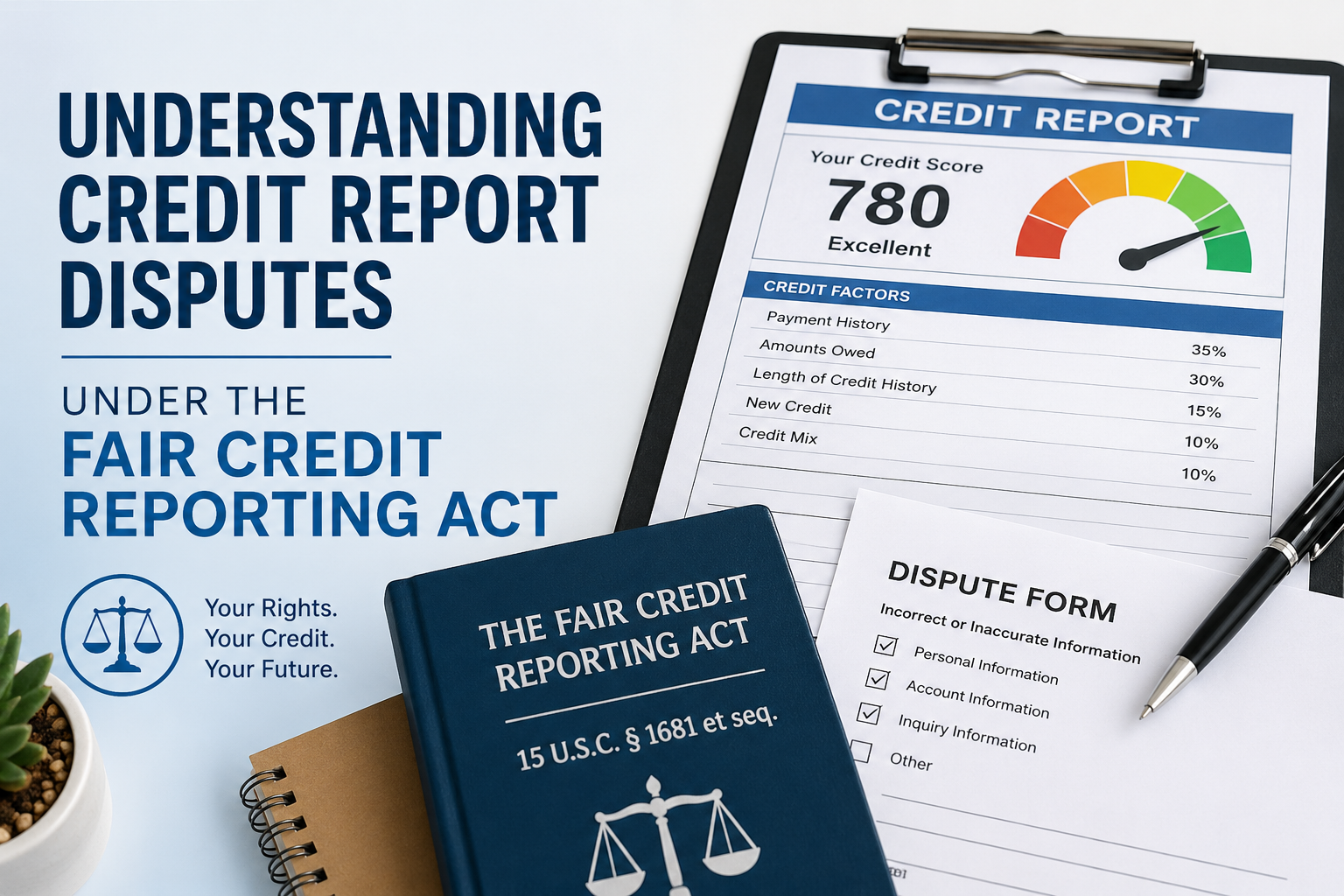
The Fair Credit Reporting Act (FCRA) is your best friend in this process. This federal law mandates that credit bureaus must provide “maximum possible accuracy.” If they can’t prove an item is 100% accurate, they are legally required to remove it. When you look for an FCRA dispute letter sample, you are looking for a document that cites these specific rights.

Using free credit dispute letters based on the FCRA ensures that you are speaking the language of the law. You don’t need a fancy lawyer to do this; you just need to be clear about which account is wrong and why. Whether it’s an incorrect balance, a payment you actually made on time, or an account that doesn’t even belong to you, the law is on your side.

How to Organize Your Monthly Credit Dispute Letters

Organization is the key to winning the credit game. When you start sending monthly credit dispute letters, keep a folder (digital or physical) of everything. This includes:

  1. A copy of the letter you sent.
  2. The certified mail receipt (always send by mail!).
  3. The response you get back from the bureau.

If a bureau fails to respond within 30 days (or 45 if you used a free annual report), they are in violation of the law. This gives you even more leverage. Many people find that their third or fourth round of free credit dispute letters is the one that finally breaks through the automated wall and results in a significant score jump.

Where to Send Your Freedom Letters

To get results, you have to send your mail to the right place. Below are the current credit bureau dispute addresses for 2025. Make sure you address your envelopes clearly and include your return address.

Credit Bureau Mailing Address for Disputes
Equifax Equifax Information Services LLC, P.O. Box 740256, Atlanta, GA 30348
Experian Experian, P.O. Box 4500, Allen, TX 75013
TransUnion TransUnion LLC Consumer Dispute Center, P.O. Box 2000, Chester, PA 19016


Sending your free credit dispute letters to these addresses via certified mail with a return receipt requested is the only way to prove the bureaus received your request.

Tackling Collections and Negative Items

One of the biggest drags on any credit score is a collection account. If you see a collection that is inaccurate or past the statute of limitations, you should send a delete collections letter. This specific type of dispute asks the bureau to remove the negative mark because the debt is either unverified, outdated, or incorrectly reported.

Using free credit dispute letters to target collections can sometimes lead to a “Pay for Delete” negotiation, but often, simply demanding verification is enough. If the collection agency cannot produce the original contract or proof of the debt, the bureau must delete it. This is one of the fastest ways to see a double-digit increase in your credit score.

Advanced Tactics: Direct Furnishers and the CFPB

Sometimes, the credit bureau isn’t the only one you should talk to. You can also initiate a direct furnisher dispute. This means you send a letter directly to the bank or credit card company that provided the data. They have the same legal obligation as the bureaus to investigate your claim. 

If you’ve sent multiple free credit dispute letters to the bureaus with no luck, going straight to the source is a pro move. If you feel like you are being treated unfairly or the bureaus are ignoring the law, it’s time to escalate. You can submit your grievance through the official CFPB complaint portal to get a federal watchdog involved in your case. When they receive a complaint, the credit bureaus usually pay much closer attention to your dispute to avoid federal scrutiny.

Consistency Is the Secret Sauce

Why do we call it “The Freedom Letter”? Because financial freedom starts with an accurate credit report. Most people give up too soon. They send one of their free credit dispute letters, wait a month, see no change, and assume the system is rigged. The system isn’t rigged; it’s just slow and automated.

By committing to a monthly routine, you are taking control. You are telling the financial institutions that you know your rights and you aren’t going away. Every “Freedom Letter” you send brings you one step closer to lower interest rates, better insurance premiums, and the peace of mind that comes with a healthy credit score.

Conclusion

Taking the first step toward credit repair can feel overwhelming, but it is one of the most rewarding things you can do for your future self. By consistently sending free credit dispute letters, you are essentially auditing the billion-dollar companies that profit from your data. Remember, you have the legal right to a fair and accurate credit report under the FCRA. 

Don’t let a simple clerical error or an old, unverified debt stand in the way of your goals. Whether you are aiming for a new home, a better car, or just the security of a high score, the “Freedom Letter” strategy is your roadmap. Start today, stay persistent, and watch as your financial horizon begins to clear. You’ve got the tools; now it’s time to use them.


FAQs

How long does it take for free credit dispute letters to work?

By law, credit bureaus generally have 30 days to investigate your dispute once they receive it. However, it often takes multiple rounds of letters over several months to see significant changes, especially with stubborn negative items or collections.

Can I just dispute everything online instead of mailing letters?

While you can dispute online, many experts recommend mailing physical free credit dispute letters via certified mail. Online portals often force you to choose from a limited list of reasons for your dispute and may require you to waive certain rights to further legal action or a more thorough investigation.

Do I need to pay a company to send these letters for me?

No, you do not. You have the legal right to send free credit dispute letters yourself. While credit repair companies can offer convenience, they use the same laws and processes available to you for free. By doing it yourself, you save money and gain a deeper understanding of your own financial health.

Are you ready to start?
Discover more