




Filing for bankruptcy feels like hitting a brick wall. The silence after the phone stops ringing is a relief, but it is quickly replaced by the anxiety of a tarnished reputation. You might be wondering if your entrepreneurial journey is over. It isn’t. While the road ahead is steep, rebuilding business credit after bankruptcy is a proven process that thousands of business owners have successfully navigated.
This isn’t about quick fixes; it is about demonstrating a new pattern of financial responsibility. Whether you liquidate or reorganise, you have the opportunity to wipe the slate clean and start fresh.
In this guide, we will cut through the noise and give you a practical, step-by-step roadmap to regain your credibility. You will learn how to audit your reports, remove lingering errors, and strategically open new accounts to restore your standing with lenders.
Assessing Business Credit After Bankruptcy
Before you can fix anything, you must understand the extent of the damage. The specific impact on your business credit after bankruptcy largely depends on your legal structure and the type of filing.
If you are a sole proprietor, your personal and business finances are legally identical. This means a Chapter 7 vs Chapter 13 filing affects you differently. Chapter 7 clears most unsecured debts but leaves a bankruptcy record on your credit report for up to ten years. Chapter 13 follows a repayment plan and usually remains on your report for seven years.
However, if your business is an LLC or Corporation, the bankruptcy might report differently.
A Chapter 11 filing means the business continues operating while it restructures and repays its debts under court supervision. When lenders assess risk, recent payment behavior carries more weight than the type of bankruptcy filing. Regardless of the chapter, your business credit score after bankruptcy will take a significant hit.
The first step is to pull your reports from Dun & Bradstreet, Experian, and Equifax to see exactly how these bureaus are reporting the event. You must verify that discharged debts are actually marked as “zero balance” or “discharged” rather than “past due.”
The Cleanup Phase: Scrubbing Your Reports
You cannot rebuild on a dirty foundation. A common hurdle in fixing business credit after default is administrative error. Creditors often fail to update records, leaving zombie debts that look active long after they were legally discharged.
A critical area to check is the Secretary of State’s records for old liens. When you took out loans previously, lenders likely filed a UCC-1 financing statement against your assets. Even after your debt is discharged, lenders frequently forget to remove this filing.
You must proactively check for these and demand a UCC lien release (specifically a UCC-3 termination statement). If a new lender sees an active lien, they will assume your assets are already collateralized and deny you funding.
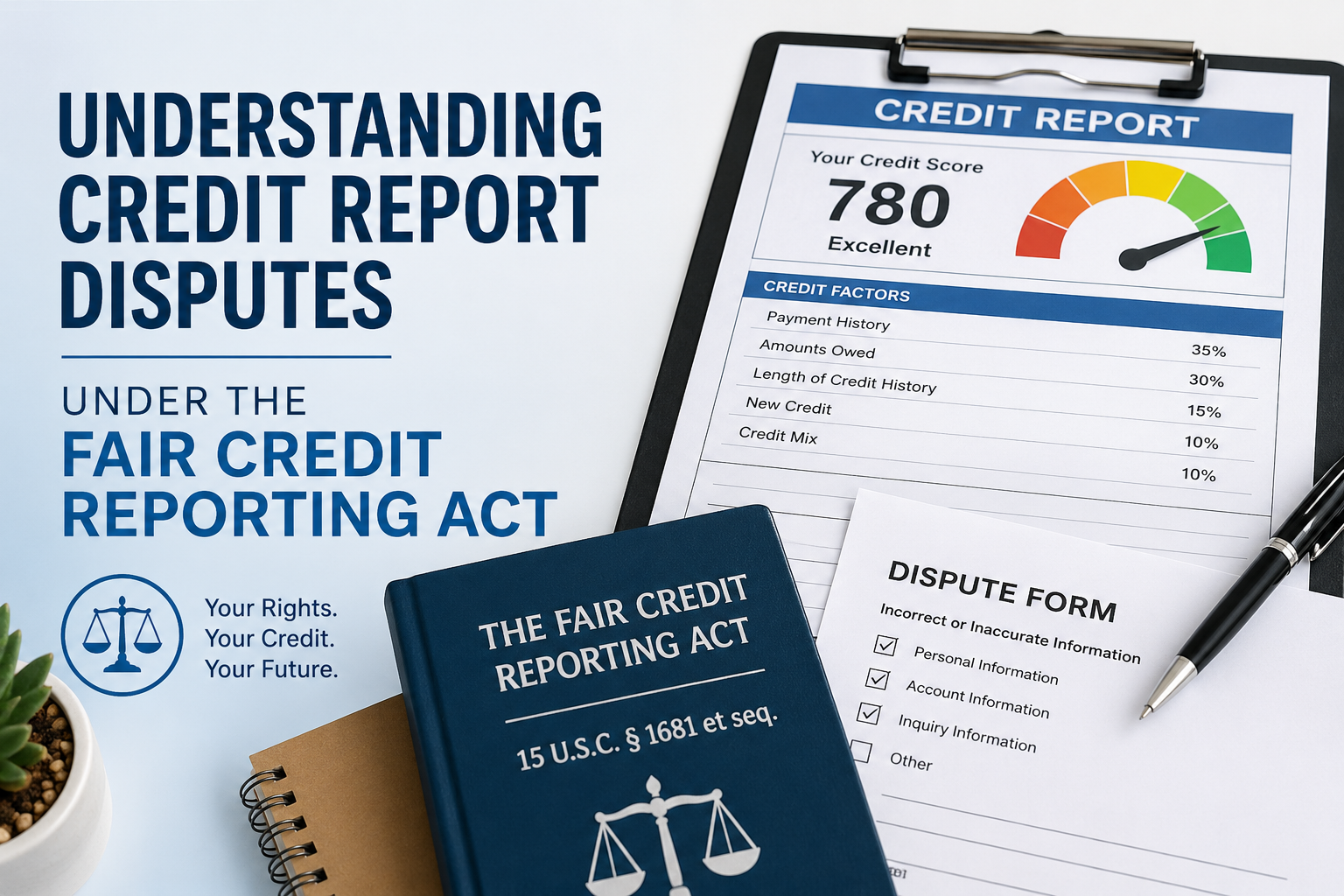
Additionally, dispute any accounts on your credit report that show late payments after your bankruptcy filing date. Legally, you cannot be “late” on a debt that no longer exists or is frozen by the court. Cleaning up these inaccuracies is vital to rebuilding business credit effectively.
Structural Reset: The D-U-N-S Number and Banking
To convince lenders you are a safe bet, you need to look like a professional operation, not a struggling individual. If your previous entity was dissolved, you might be forming a brand new LLC. If so, treat this as a total reset.
First, open a fresh business bank account that is entirely separate from your personal finances. Commingling funds is a major red flag for auditors and lenders alike. Next, ensure you have a D-U-N-S number from Dun & Bradstreet.
You can consider this as the Social Security Number for your business. It is the primary identifier used to track your business credit history. If you are starting a new entity, get a new D-U-N-S number. If you are reorganizing an existing one, ensure your D&B profile is updated to reflect your current status.
This structural separation protects your personal assets and builds a distinct credit profile for the company. This is especially important because, post-bankruptcy, you may not be able to offer a personal guarantee for loans. You need the business to stand on its own two feet.
The Rebuild Strategy: Vendor Tradelines
Now, how do you get credit when no one wants to give it to you? You start with “Tier 1” vendor tradelines.
Tier 1: Vendor Tradelines
These are suppliers who offer Net-30 terms (payment due in 30 days) with very lenient approval requirements. They often do not check personal credit, which is perfect for your situation. Companies like Uline (shipping supplies), Quill (office supplies), and Grainger (industrial supplies) are excellent starting points.
Here is the blueprint to rebuild credit after bankruptcy:
- Open Accounts: Apply for accounts with 3-5 of these vendors.
- Purchase: Buy items you actually need, such as toilet paper, printer ink, and safety gear.
- Pay Early: When the invoice arrives, pay it immediately.
By doing this, you generate positive payment data that flows to the credit bureaus. Since banks are hesitant to lend to you right now, these vendors act as your stepping stones. As you accumulate months of on-time payments with them, your profile begins to look “thick” and active, burying the negative bankruptcy record under a pile of positive, recent data.
Next step: Open 3–5 vendor tradelines that actually report, then pay early to build strong payment history. Use this curated list to get started: 10 Vendor Accounts That Help You Build Business Credit Fast
Tier 2: Secured and Retail Revolving Credit
Once you have established 3-6 months of perfect payment history with your Tier 1 vendor tradelines, you are ready to transition to more powerful forms of credit. This second phase, or Tier 2, focuses on revolving accounts that will significantly boost your business credit after bankruptcy.
Tier 2 credit providers are looking for proof that you can handle revolving debt responsibly.
- Retail Store Cards: These are revolving accounts that allow you to carry a balance (though paying in full is always recommended). Think of cards from major suppliers like Amazon Business, Lowe’s, or Staples Commercial. Approval odds are much higher now thanks to your Tier 1 history, but be prepared: unlike Tier 1 accounts, these applications may require a personal guarantee (PG).
- Secured Business Credit Cards: This is an essential step. Since you put down a cash deposit that serves as your credit limit, approval is high even with severely damaged credit.
- Use this card for small, predictable daily expenses and commit to paying it off in full, ideally every week.
- After 6–12 months of flawless, responsible usage, many issuers will “graduate” you to an unsecured business card and return your original deposit, marking a significant milestone in your rebuilding efforts.
Relationship-Based Financing: The 12-Month Milestone
As you approach the 12-month mark in your rebuilding journey, you can start targeting small lines of credit. Large national banks rely on impersonal algorithms that will likely auto-decline you. Your best strategy is to focus on relationship-based lending:
- Local Credit Unions: Open a business checking account with a local credit union and conduct all your primary business banking there. Credit unions are community-focused and often prioritize member relationships over strict scoring models.
- The Power of Character: After 12+ months of clean history, schedule a meeting with a loan officer. They have the ability to override automated declines and approve small lines of credit based on your actual cash flow and personal character.
Securing a small line of credit from a local institution proves to the wider financial world that there is indeed life for your business credit after bankruptcy, completing your journey from simple vendor accounts to institutional financing.
If you want to explore how to qualify for larger funding without traditional documents, check out our guide on How to Qualify for $100K+ in Business Credit Without Tax Return.
Monitoring Progress: The Paydex Goal
In the business world, you are graded on speed. Your Paydex score (generated by Dun & Bradstreet) is the most widely used metric for trade credit. It ranges from 1 to 100.
- 80 Paydex: You pay on the due date.
- 100 Paydex: You pay early.
To rebuild business credit fast, you should aim for a Paydex of 80 or higher. The trick is to pay your Net-30 invoices at least 10 days before they are due. This signals that you have strong cash flow.
It is crucial to monitor this monthly. If a vendor fails to report your payment, call them. If a payment is posted late by mistake, dispute it. You are in a “probationary period” with the financial world; you cannot afford a single slip-up. Consistency here is the only way to prove that your financial troubles are in the past.
PAYDEX is dollar-weighted and built from trade payment experiences—and lenders look at more than just one number. Read: The Truth About PAYDEX Scores & What Lenders Look For
Managing Expectations for Business Credit After Bankruptcy
Can you fix this overnight? No. But you can make significant progress in 6 to 12 months. While the bankruptcy public record remains for years, lenders weigh recent behavior heavily.
By aggressively stacking vendor tradelines and perhaps adding a secured business credit card, where you put down a cash deposit to set your limit, you create a high volume of positive experiences.
A lender looking at your file might see the bankruptcy from two years ago, but they will also see 24 months of perfect payment history on five different accounts. That recent history is what allows you to graduate from high-interest, high-risk financing back to standard bank loans.
Conclusion
The journey to restoring your business credit after bankruptcy is less about erasing the past and more about overpowering it with a better present. It is a process that demands patience and strict attention to detail. By ensuring your credit reports are accurate, removing old liens, and strategically utilizing vendor credit, you can reconstruct a credit profile that is even stronger than before.
Do not let the stigma of bankruptcy paralyze you. The financial system is designed to allow for second chances, provided you follow the rules of the game. You have cleared the debts that were holding you back; now, use that freedom to build a track record of reliability. With every invoice you pay early, you are rewriting your business’s reputation.